
Trump’s Tough Immigration Move: 39 Countries Now Face US Entry Restrictions
Trump Expands US Travel Ban to 39 Countries, Imposes Full Restrictions on 7 Nations and Palestinians: US President Donald Trump continues to take an increasingly tough stance on foreign policy and immigration. Citing national security and public safety concerns, the Trump administration on Tuesday, December 16, 2025, announced a major expansion of the US travel ban, imposing full travel restrictions on seven additional countries and Palestinians, along with partial entry bans on citizens of 15 more nations.
With this latest move, the total number of countries facing US travel restrictions or entry bans has risen to 39. According to a White House briefing, the new restrictions will come into effect on January 1, 2026.
Full Travel Ban on 7 Countries and Palestinians
Under the new proclamation, the United States has imposed a complete travel ban on citizens of:
- Burkina Faso
- Mali
- Niger
- South Sudan
- Syria
- Laos
- Sierra Leone
Palestinians holding travel documents issued by the Palestinian Authority have also been included under the full ban. Laos and Sierra Leone were previously under partial restrictions, which have now been upgraded to a complete ban.
The administration cited weak visa screening systems, high visa overstay rates, internal conflicts, and terrorist threats as the primary reasons for the decision.
Partial Entry Ban on 15 Countries
The Trump administration has also announced partial travel restrictions on citizens of the following countries:
- Angola
- Antigua and Barbuda
- Benin
- Côte d’Ivoire
- Dominica
- Gabon
- Gambia
- Malawi
- Mauritania
- Nigeria
- Senegal
- Tanzania
- Tonga
- Zambia
- Zimbabwe
Existing partial restrictions on Burundi, Cuba, Togo, and Venezuela will continue. Turkmenistan is the only country to receive partial restrictions under the new regime, while non-immigrant visa restrictions for its citizens have been lifted.
Countries Already Under Travel Restrictions
The US had already imposed travel restrictions on citizens of Afghanistan, Myanmar, Chad, the Democratic Republic of the Congo, Equatorial Guinea, Eritrea, Haiti, Iran, Libya, Somalia, Sudan, and Yemen.
Security Concerns Behind the Decision
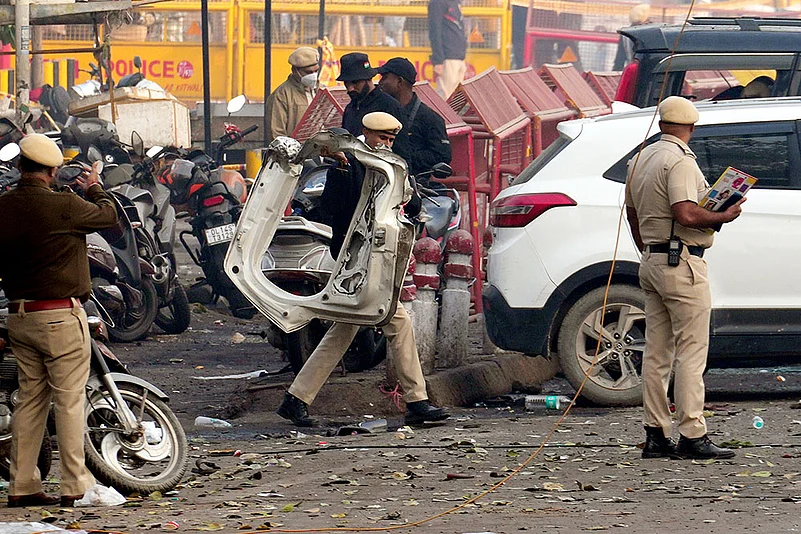
According to the White House, the decision follows recent security incidents, including the killing of two National Guard soldiers in Washington, D.C., on November 26. The attacker was reportedly an Afghan national granted asylum after the US withdrawal.
Additionally, on December 13, two American soldiers and an American civilian interpreter were killed in an Islamic State attack in Syria. The administration said these incidents highlight ongoing threats posed by terrorism and weak governance in several regions.
Countries such as Burkina Faso, Mali, Niger, and Nigeria were specifically flagged for rising terrorist activity. Syria was described as lacking “sufficient central authority” to reliably issue passports and citizenship documents after years of civil war.
Exemptions and Waivers
The proclamation includes exemptions for certain categories, including:
- US permanent residents (green card holders)
- Current valid visa holders
- Diplomats
- International athletes
- Individuals whose entry is deemed to be in the US national interest
A case-by-case waiver system remains in place, though the administration has tightened rules for family-based visa waivers.
The expanded travel ban marks one of the most sweeping immigration actions of Trump’s presidency, reinforcing his administration’s hardline approach toward national security and border control.
ALSO READ: What Your Upper Lip Hair Says About Your Personality