

‘Lolita’ References Resurface in Newly Released Epstein Materials, Rekindling Debate on Abuse, Power, and Cultural Complicity
New Epstein Photo Release Sparks Outrage Over ‘Lolita’ References and Abuse Allegations: The release of a new set of photographs and documents linked to convicted sex offender Jeffrey Epstein has reignited global scrutiny of how power, culture, and exploitation intersected in one of the most disturbing abuse scandals of recent decades.
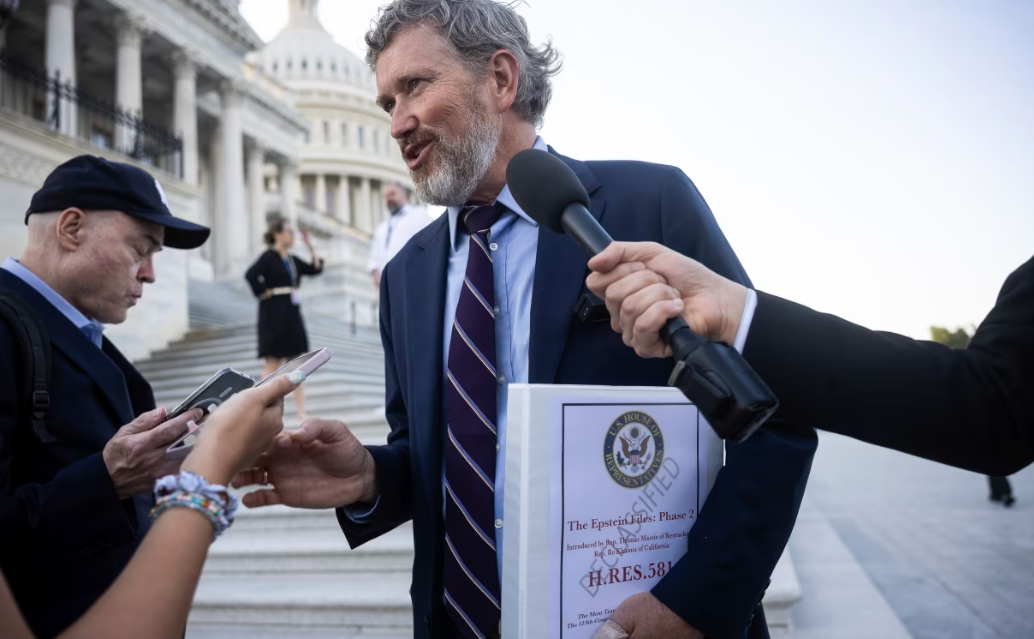
According to reports, 68 photographs made public as part of a U.S. congressional document release show Epstein in the company of numerous prominent figures, including business leaders, academics, and political advisers. Officials have emphasized that the presence of individuals in these photographs does not, by itself, establish criminal wrongdoing, but rather reflects Epstein’s extensive social reach and influence.
What has drawn renewed attention, however, are images allegedly depicting young women with handwritten lines from Vladimir Nabokov’s controversial 1955 novel Lolita written on their bodies. In some photographs, a copy of the novel is visible nearby. The references have sparked widespread outrage, as Lolita is widely known for portraying the abusive fixation of a middle-aged man on a minor—an unsettling parallel to the crimes for which Epstein was later charged.
Epstein’s private jet, infamously dubbed the “Lolita Express,” has long been cited in court records and victim testimonies as a vehicle used to transport underage girls to properties in the United States and abroad, including his private island. Prosecutors previously alleged that Epstein used wealth, intimidation, and social leverage to exploit minors and to shield himself from accountability for years.
Survivors have described being recruited, manipulated, and trafficked to powerful men, allegations that ultimately led to Epstein’s arrest in 2019. Before his trial concluded, Epstein was found dead in his jail cell, in what authorities ruled a suicide—though the circumstances continue to fuel public skepticism.
Ghislaine Maxwell, a longtime associate of Epstein, was later convicted on multiple counts related to the trafficking and abuse of minors and sentenced to 20 years in prison.
The newly released materials are reportedly part of a much larger cache—estimated at tens of thousands of images—seized from Epstein’s properties. Lawmakers and investigators stress that the ongoing release aims to provide transparency, not to imply guilt by association.
Cultural critics note that the alleged use of Lolita quotations reflects a broader, troubling pattern in which art and literature have been misappropriated to normalize or aestheticize abuse. “These references are not literary homage,” one analyst wrote, “but evidence of how exploitation was trivialized and ritualized within elite circles.”
As public attention returns to the Epstein case, survivor advocates are urging that the focus remain on victims rather than celebrity connections. They argue that accountability must extend beyond individual perpetrators to the systems that enabled abuse to continue unchecked for years.
The revelations serve as a stark reminder that influence and status can obscure harm—and that vigilance, transparency, and survivor-centered justice remain essential.
ALSO READ: Which Vitamin Deficiency Causes Hair Fall