
Did Ravana Really Have 10 Heads? Here’s What Each Head Symbolizes
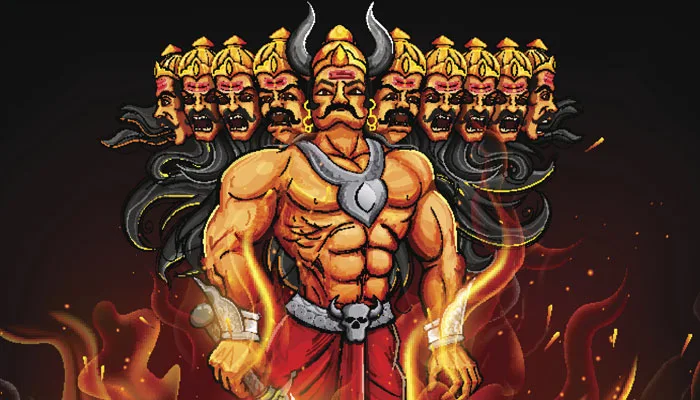
Ravana Really Has 10 Heads: Know The Name Of Each Head: As Dussehra approaches, the towering effigies of Ravana with 10 heads once again become the center of attention, symbolizing the victory of good over evil. While mythology often depicts Ravana with ten heads, the truth behind them may surprise you.
Why We Burn Ravana on Dussehra
Dussehra (also called Vijayadashami) marks two major mythological victories:
- Lord Rama’s triumph over Ravana, symbolizing the end of ego, evil, and arrogance.
- Goddess Durga’s slaying of Mahishasura, representing the destruction of demonic forces.
On this day, people burn Ravana’s effigy to not only remember Lord Rama’s victory but also to make a personal vow to destroy the evils within themselves.
Did Ravana Really Have 10 Heads?
Although Ravana is widely known as “Dashanan” (meaning “ten-headed”), scholars and scriptures offer different explanations:
Symbolic Interpretation:
Many believe Ravana’s ten heads were not literal, but rather symbolic of his vast knowledge, multiple personalities, and human weaknesses.
Jain Belief – The Gem Reflection Theory:
According to Jain scriptures, Ravana wore a necklace made of nine precious gems. The reflection of his own head in these gems created the illusion of ten heads.
Divine Blessing:
In Hindu mythology, Ravana was a great devotee of Lord Shiva. It is said that Shiva blessed him with the form of Dashanan due to his intense penance.
What Do Ravana’s 10 Heads Represent?
Ravana’s ten heads are believed to symbolize ten human vices or emotional weaknesses that lead one away from Dharma (righteousness):
| Head | Symbolizes | Meaning |
|---|---|---|
| 1️⃣ | Desire (Kama) | Uncontrolled and immoral desires |
| 2️⃣ | Anger (Krodha) | Uncontrolled rage and fury |
| 3️⃣ | Greed (Lobha) | Never-ending desire for wealth or possessions |
| 4️⃣ | Attachment (Moha) | Emotional dependence on material world |
| 5️⃣ | Ego (Mada) | Pride and self-importance |
| 6️⃣ | Jealousy (Matsarya) | Envy of others’ success or happiness |
| 7️⃣ | Hatred (Dvesha) | Intense dislike or resentment |
| 8️⃣ | Fear (Bhaya) | Insecurity, overthinking, and worry |
| 9️⃣ | Delusion (Ahankara) | False belief in one’s superiority; self-deception |
| 🔟 | Corruption (Bhrashtachar) | Abandonment of morals, truth, and ethics |
The True Message of Dussehra
Burning Ravana’s effigy is not just a ritual—it’s a symbolic gesture. It reminds us that no matter how powerful evil becomes, it can always be overcome with truth, courage, and righteousness.
ALSO READ: Chanting the 32 Names of Goddess Durga