

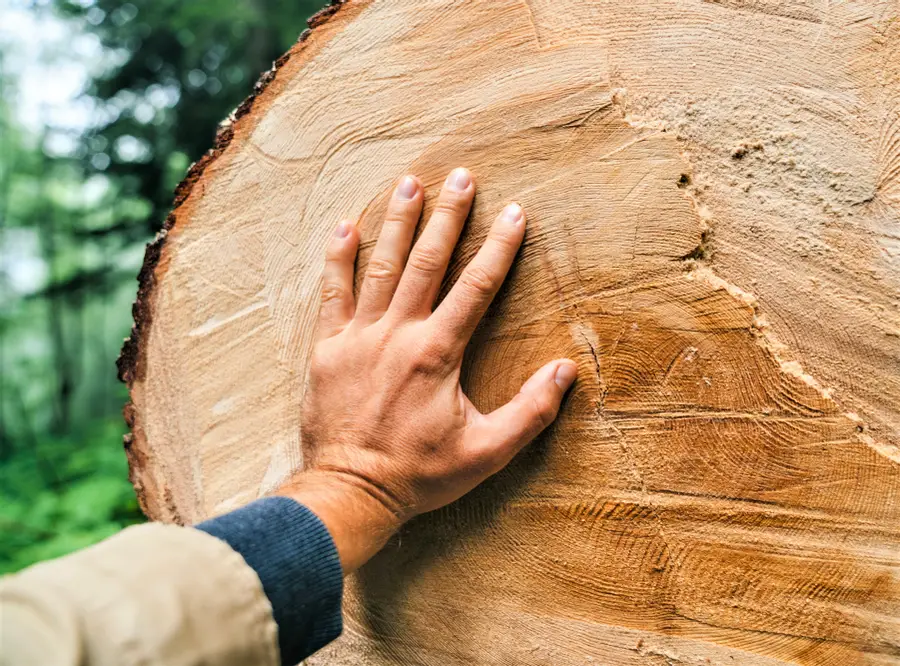
Why We Say “Touch Wood”: Origins, Myths, and Cultural Beliefs Explained
Strange beliefs and superstitions have existed across the world for centuries. One such widely practiced belief is saying “touch wood” (or “knock on wood”) to prevent something bad from happening. When things are going well, many people fear that they might jinx their good fortune—so they quickly touch a wooden object and say, “touch wood.”
But where did this superstition come from? Why wood? And does it really protect against the evil eye? Let’s understand.
What Is the Evil Eye?
The belief in the evil eye exists in almost every culture, regardless of religion or region.
The idea is simple:
When someone looks at you with jealousy, envy, or excessive admiration, their negative energy can harm you. Signs often associated with the evil eye include:
- Sudden illness
- Bad luck
- Accidents
- Failure of an ongoing task
Because people fear such unseen harm, civilizations developed various remedies to ward off this negative energy.
Remedies to Ward Off the Evil Eye
To protect themselves, people around the world perform rituals such as:
- Hanging lemon and chilies
- Wearing amulets
- Burning incense
- Performing chants or rituals
- Or simply… touching wood
In many countries, touching a piece of wood and saying “touch wood” is believed to prevent misfortune or reverse a jinx. Although there is no scientific evidence behind this, millions of people still follow the practice.
How Did the “Touch Wood” Belief Begin?
The exact origin is unknown, but several ancient cultural beliefs point toward wood as a sacred, protective material.
1. Trees in Ancient Indian Beliefs
In India, trees like peepal, banyan, amla, and neem are considered sacred.
Many traditions say that benevolent spirits or deities live inside trees.
Touching them is believed to:
- Express gratitude
- Seek blessings
- Invite protection
2. Ancient Greek Beliefs
Greeks believed that touching oak trees connected them to Zeus, the god of lightning and fortune. Zeus would then protect them from misfortune.
3. Christian Symbolism
For Christians, wood symbolizes the cross on which Jesus Christ was crucified.
Touching wood became a way to seek divine protection and blessings.
4. Jewish Origin Story
Around the year 1500, Jews hiding in synagogues used secret knocks on wooden doors to signal safety. These knocks saved many lives.
Over time, knocking on wood came to be associated with protection and good luck.
Why Wood Was Considered Protective
Several ancient cultures believed wood had spiritual power:
Celtic, Druid, and Norse Traditions
- The oak tree was considered the most powerful tree.
- They believed wood could absorb negative energy.
- By touching wood, people felt spiritually charged and protected.
Astrological View
In Vedic astrology, certain woods protect against the negative influence of Saturn and Rahu.
Woods like:
- Peepal
- Neem
- Sheesham
are considered especially effective in absorbing negativity.
This is why people still tap new items with wood or tie red threads around them.
What Does Modern Science Say?
Science explains the “touch wood” belief as a psychological effect.
- Touching wood gives a sense of security
- It reduces stress and anxiety
- It prevents overthinking or fear of bad luck
- It creates a placebo effect—your mind feels protected
In neuroscience, this is known as superstitious behavior that helps reduce anxiety, even if it has no real-world magical effect.
So What’s the Truth?
Whether the evil eye affects someone depends mostly on belief.
- Those who believe in it may genuinely feel influenced by it.
- Those who don’t consider it nothing more than superstition.
- And touching wood certainly does no harm—physically or mentally.
That is why, even today, despite scientific progress, millions of people still instinctively touch wood when something good happens. For them, it’s a simple way to feel safe and protected from the evil eye.
ALSO READ: August Born Baby